
The Sewing Machine Needle
Why is the eye at the tip?
Before 1755
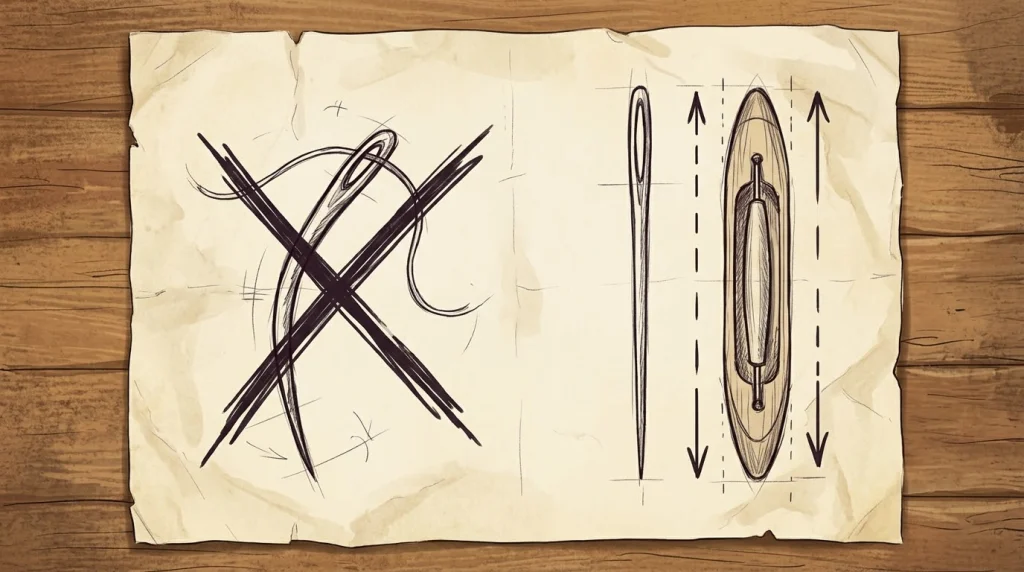
Eye at the back
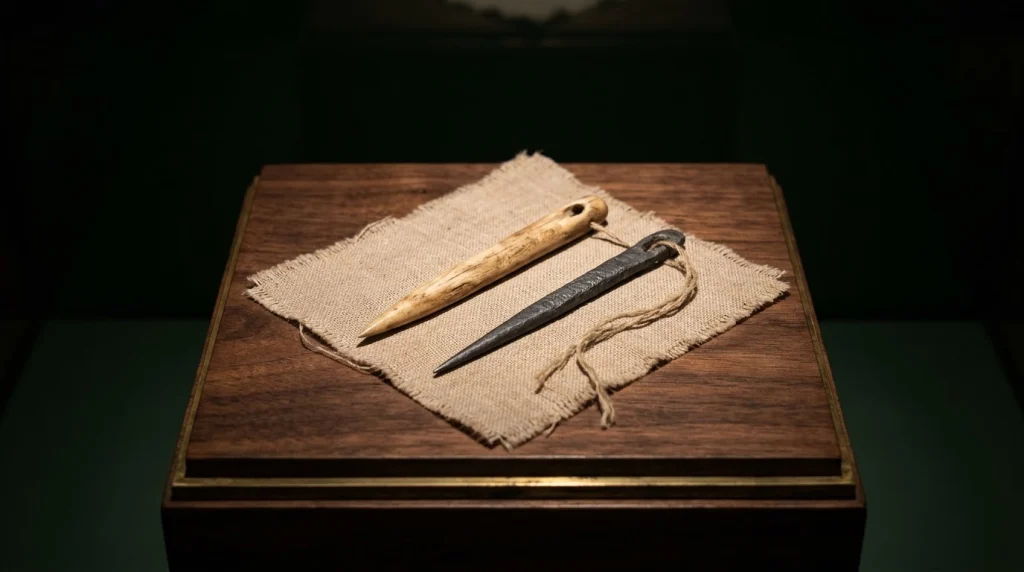
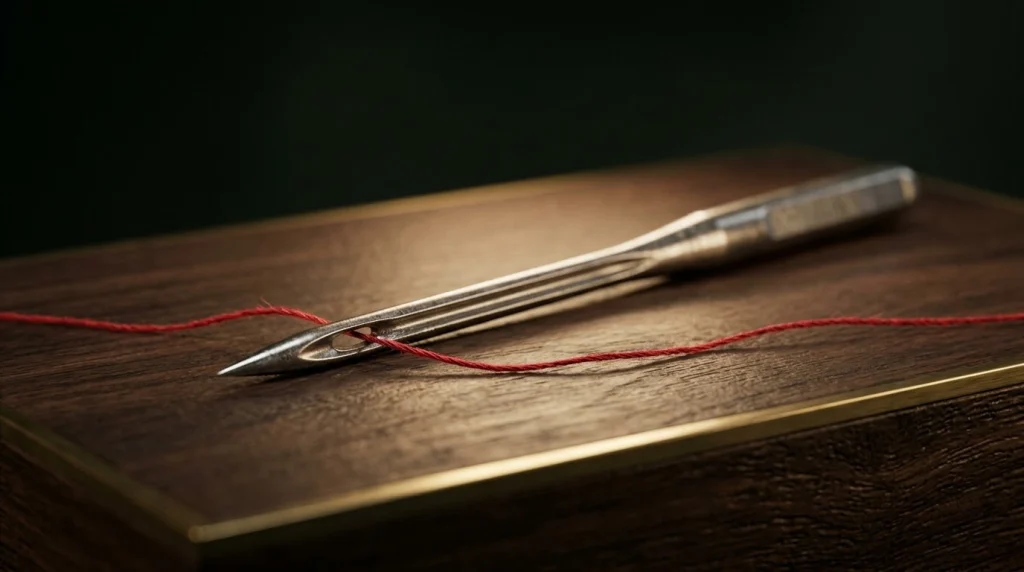
Hand needles, first of bone and later of iron, always had the eye at the back. The needle passed all the way through the cloth and the thread followed. No machine could copy that move.
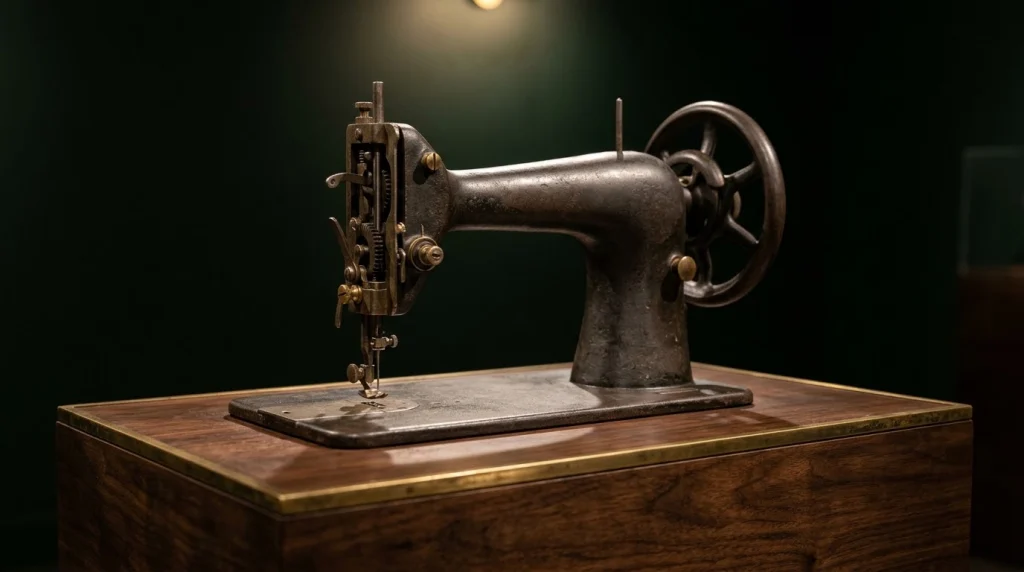
For centuries every garment was sewn by hand, one stitch at a time. A shirt held thousands of stitches, and a tailor could spend days on one.
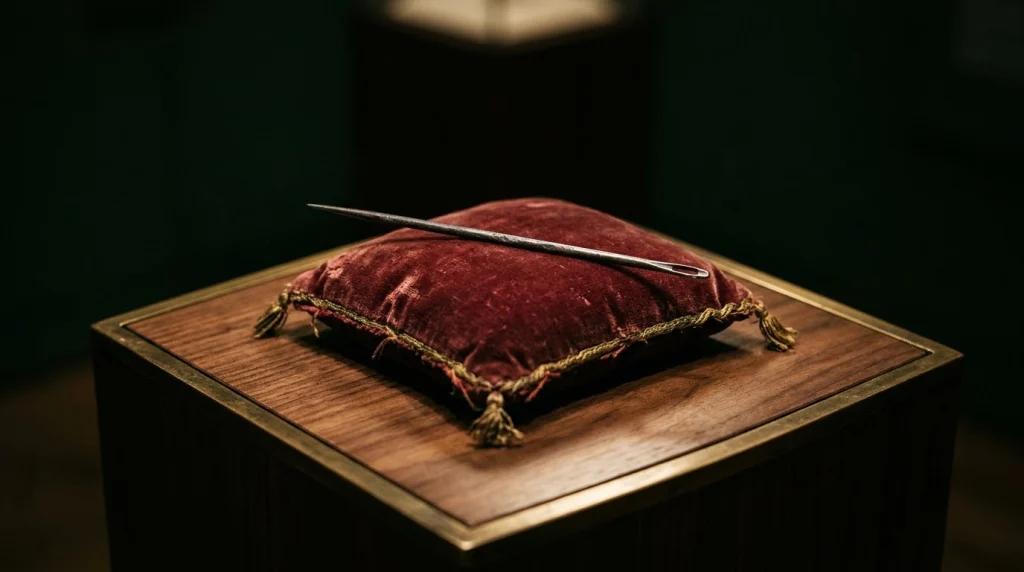
A hand needle has its eye at the back. It passes all the way through the cloth and the thread follows. A machine has no hand on the other side to catch the needle, so the eye had to move to the tip. Getting that right took 112 years.
An idea from a dream
As the story goes, in 1845 Elias Howe dreamed of a king's guards whose spears had small holes right next to their points. He woke up knowing where the eye of his needle should go.
What really happened
Historians think the dream most likely never happened. Machine needles with the eye at the tip existed years before Howe. The real story has a smashed workshop, a hidden machine, a patent left in pawn and a long courtroom fight.

Watch the documentary
Timeline
-
1755
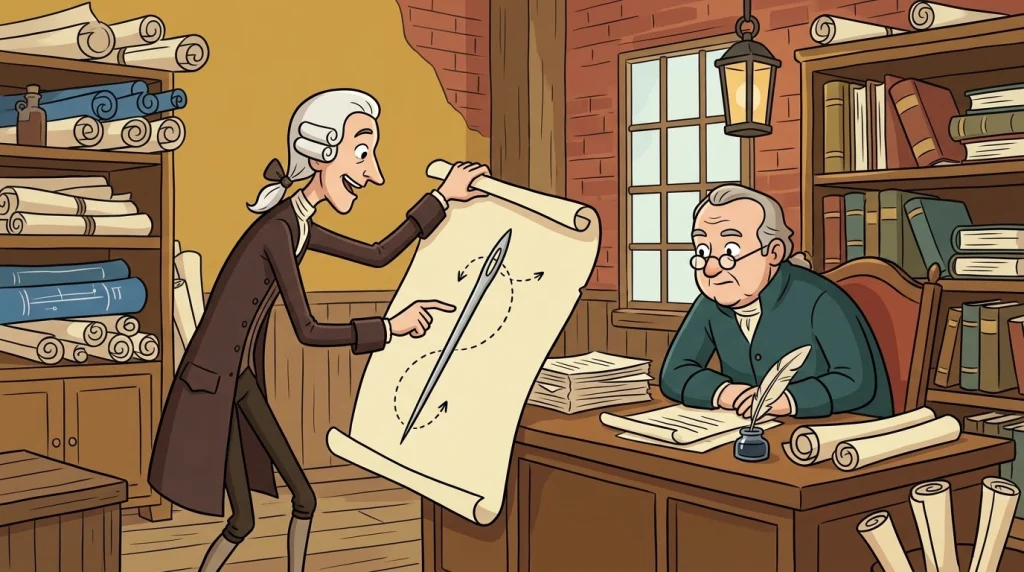
A needle pointed at both ends
Engineer Charles Weisenthal patented a needle for use in a machine. It was pointed at both ends with the eye at one end. The machine itself was never built.2
London
-
1790
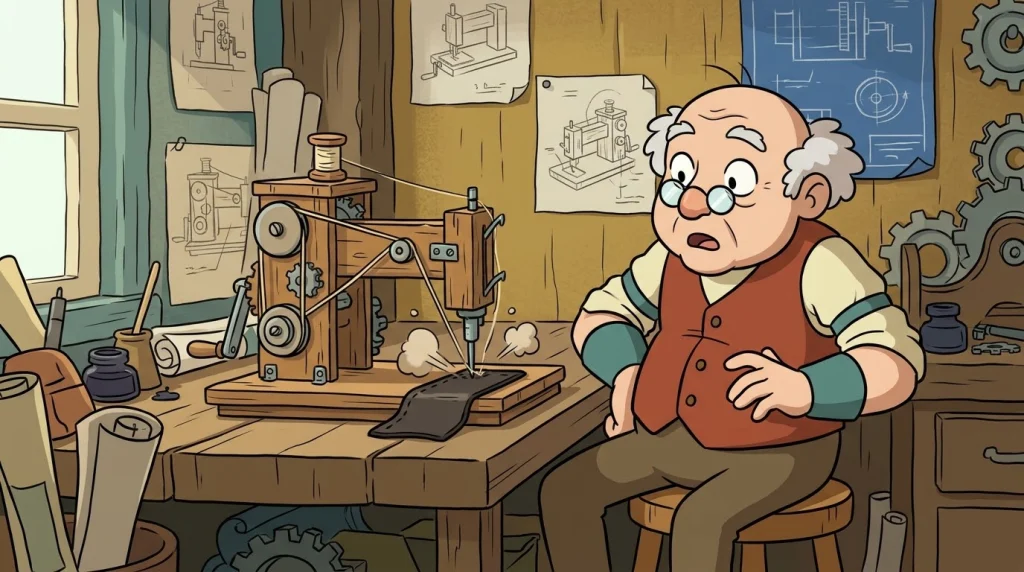
Drawings left on a shelf
Thomas Saint drew a machine for sewing leather and sailcloth, though there is no evidence he built it. The drawings sat in the patent office for 84 years. In 1874 someone built the machine from them and, with a small fix, it worked.2
England
-
1830
A hooked needle and a chain stitch
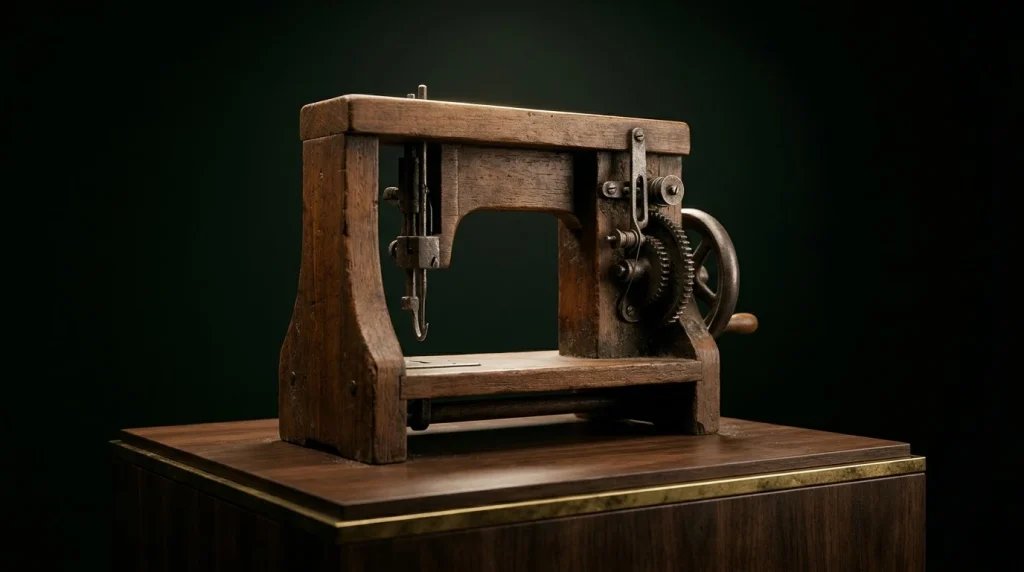
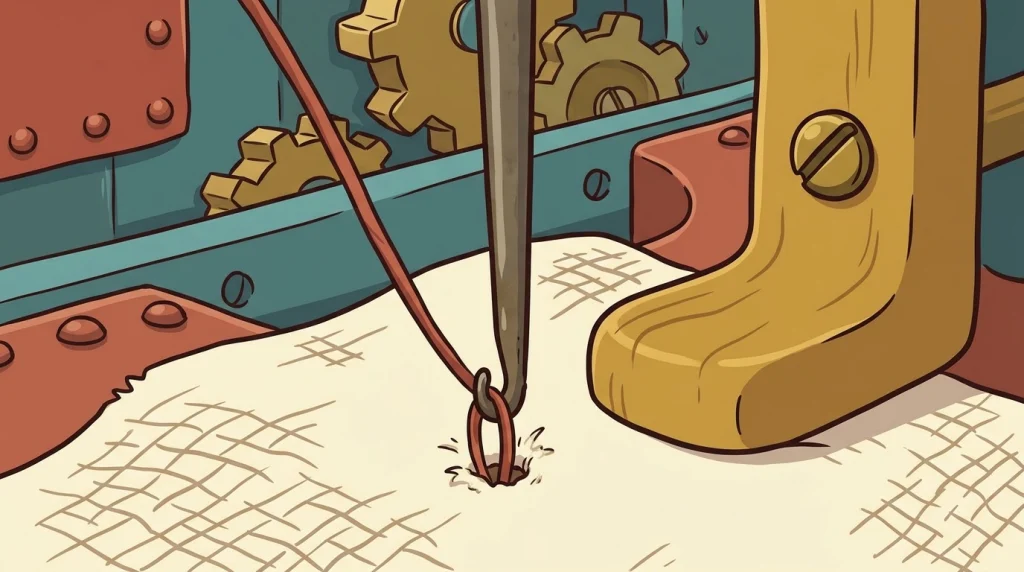
Tailor Barthélemy Thimonnier patented one of the first sewing machines that really worked. His needle had no eye, just a crochet-like hook that caught the thread under the cloth. The single-thread chain stitch came apart when pulled from the end.3
Paris
-
1831
The workshop is stormed
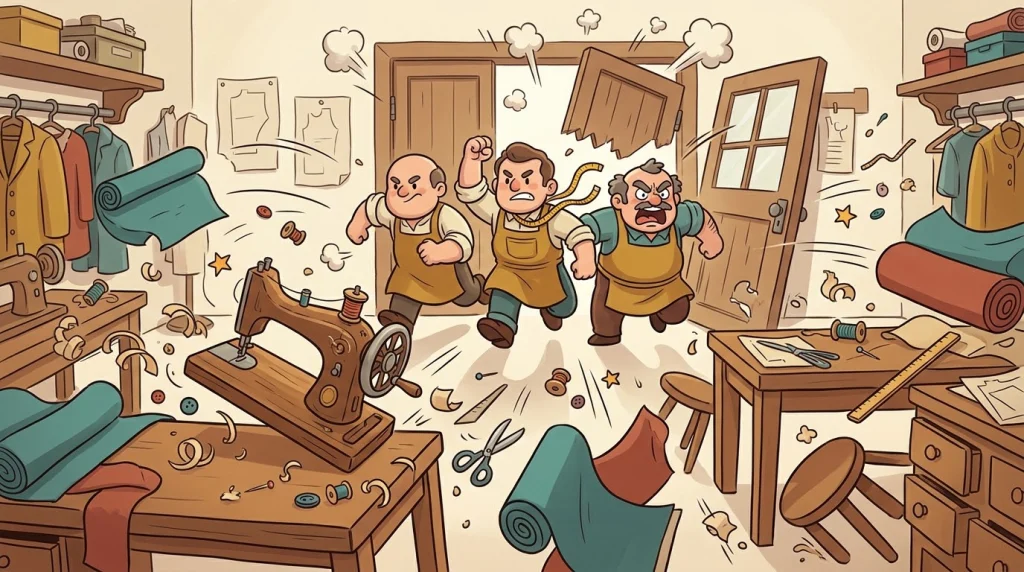
His eighty-machine workshop, sewing army uniforms, was stormed by 150–200 tailors afraid for their jobs, and the machines were smashed. Some sources say it was set on fire too. Thimonnier won awards but died poor.3
Paris
-
1830s
The hidden machine
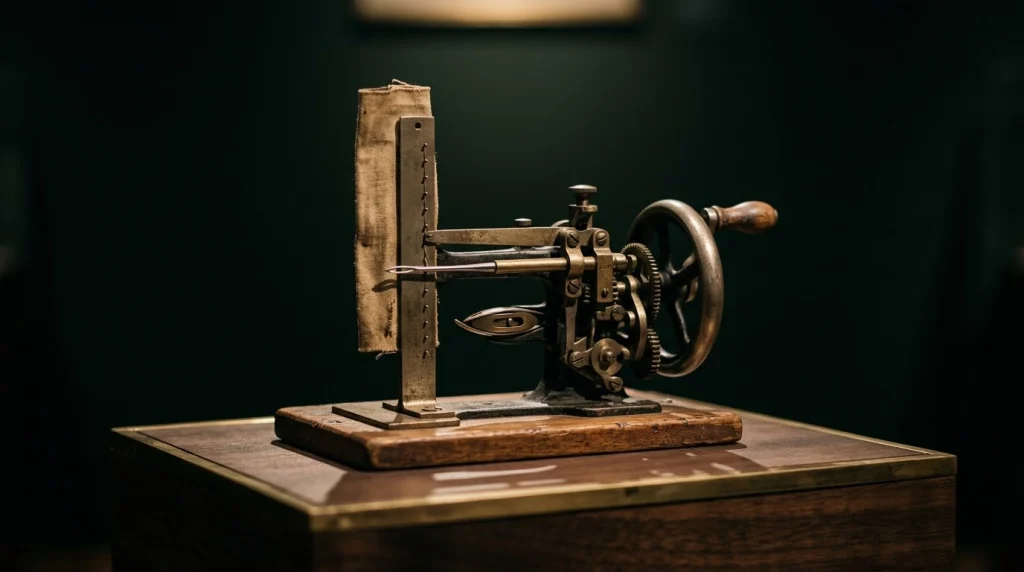
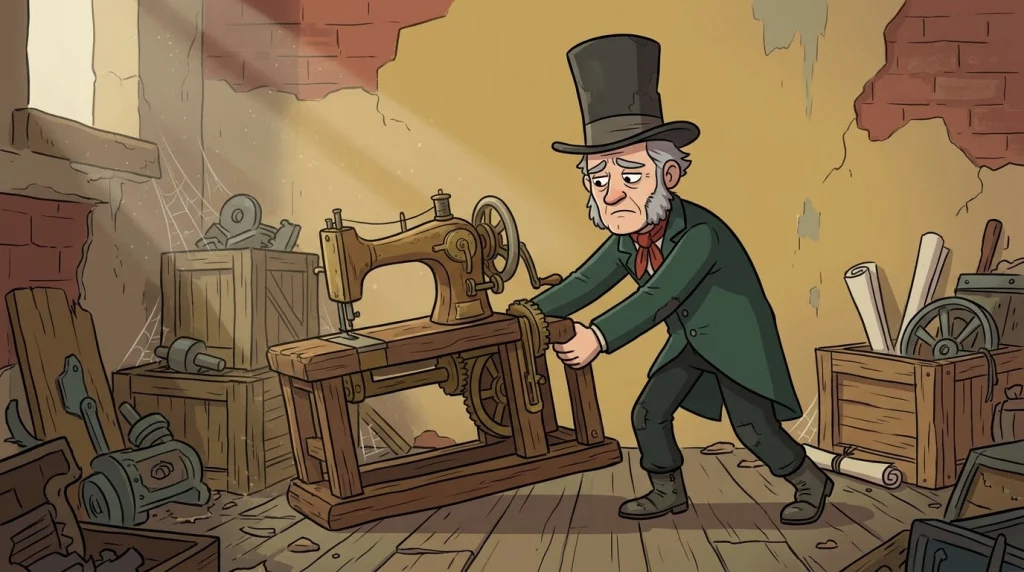
Walter Hunt found the answer. He used an eye-pointed needle with a shuttle moving back and forth below it, so two threads locked together. The story goes that he feared it would put seamstresses out of work and shelved it without a patent.4
New York
-
-
-
-

1854
The court rules
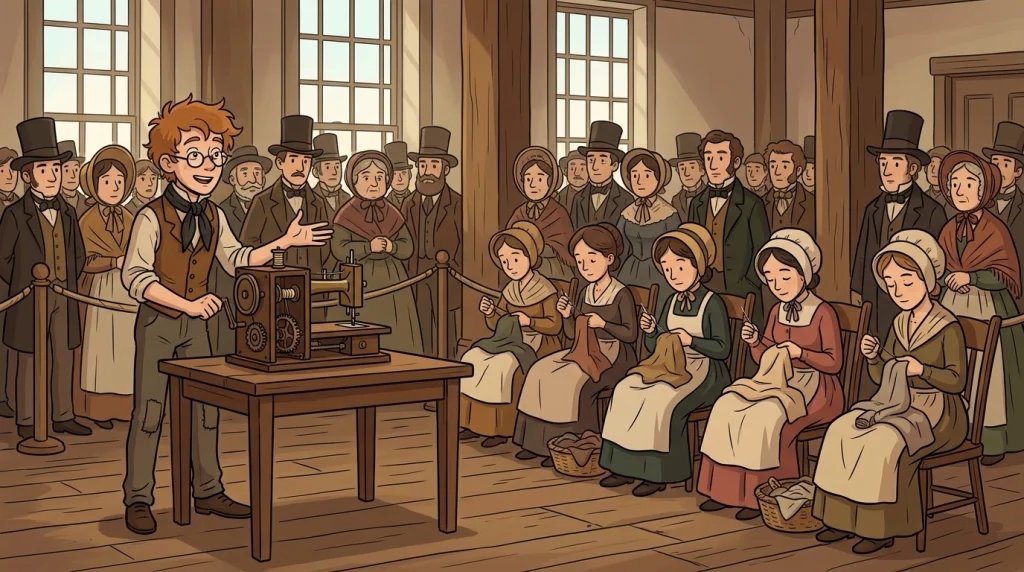
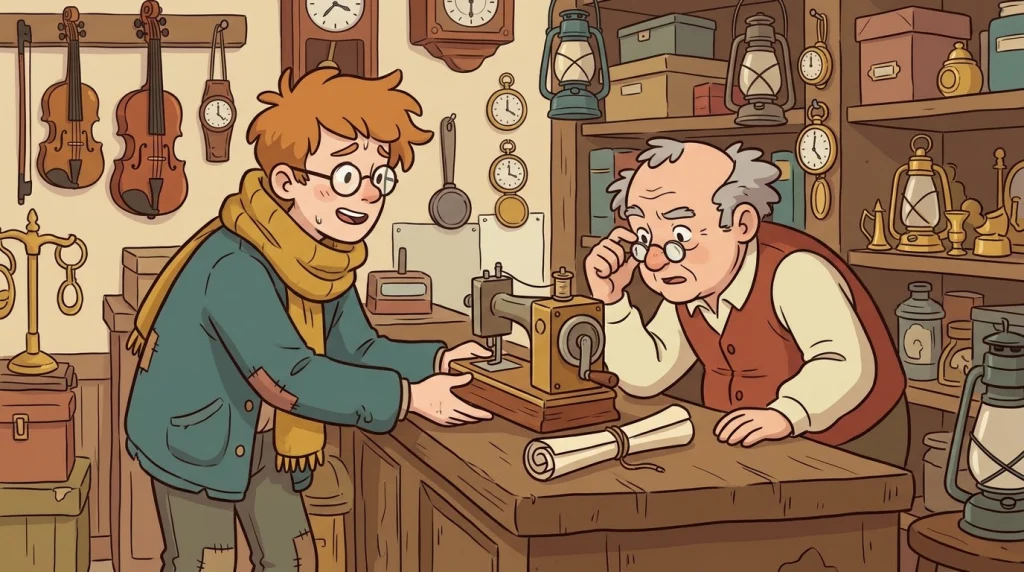
Howe sued for his patent rights. The defence brought up Walter Hunt's old machine, but the case ended in Howe's favour. From then on he earned a fee on almost every machine sold.1
USA
-
1856
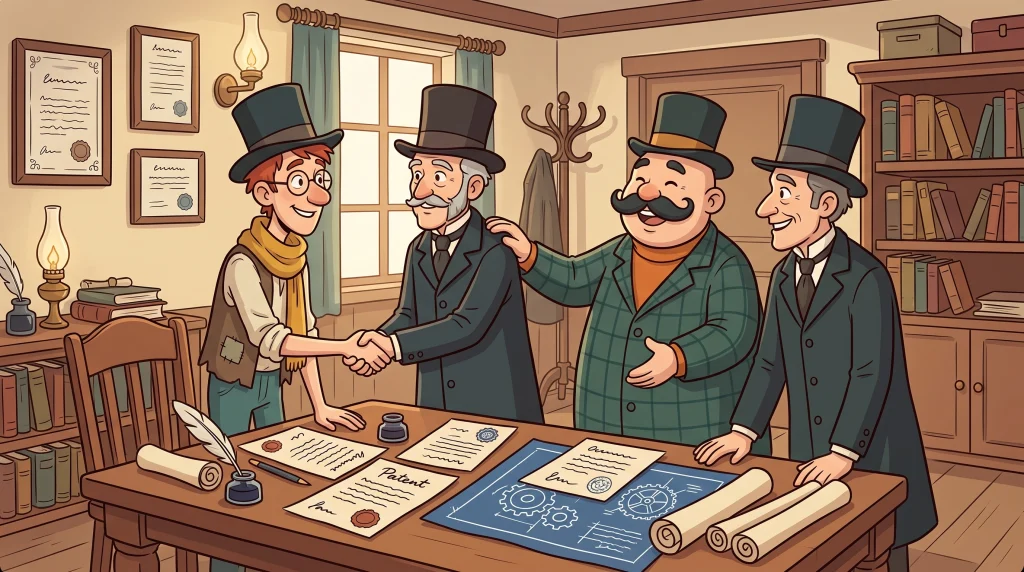
The first patent pool
The rivals stopped fighting and pooled their patents in the Sewing Machine Combination, America's first patent pool. Every other maker paid a fee per machine.6
USA
-
1867
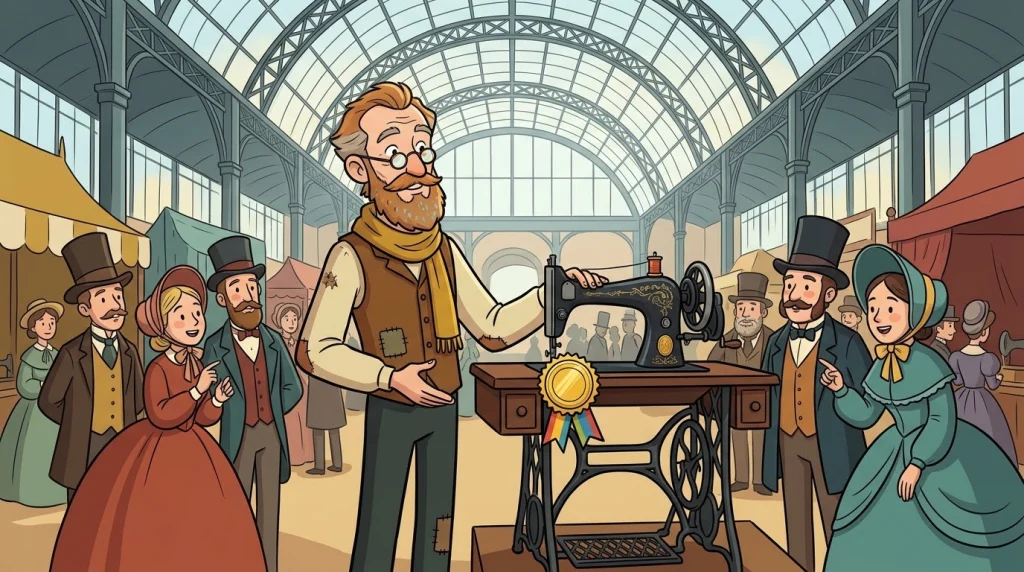
A gold medal
Howe's machine won a gold medal at the Paris Exposition, in the city where tailors had smashed machines. The same year he received the Légion d'honneur, and he died aged 48.1
Paris
How does a lockstitch work?
-
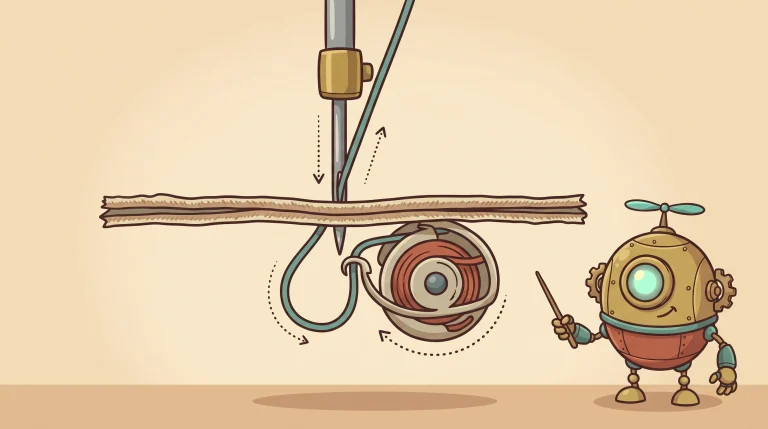
The needle goes down
The eye-pointed needle carries the thread down through the cloth and leaves a small loop underneath.
-
The shuttle passes
The shuttle waiting below the cloth passes a second thread through that loop.
-
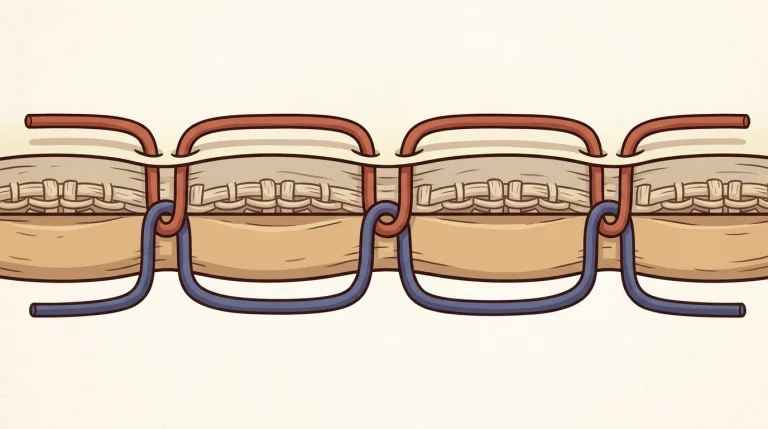
The threads lock
The two threads lock together in the middle of the cloth. Unlike a chain stitch, it does not unravel when pulled.
So who invented it?
- Charles Weisenthal
- First patent for an eye-pointed machine needle (1755)
- Barthélemy Thimonnier
- One of the first machines that really worked (1830)
- Walter Hunt
- Eye-pointed needle and shuttle, never patented (1830s)
- Elias Howe
- The lockstitch patent, defended in court (1846–1854)
- Isaac Singer
- A practical machine sold on instalments (1851)
The patent went to Howe and Singer put the machine in people's homes. Hunt had shelved the same idea years earlier.
Did you know?
- Years later Walter Hunt bent a piece of wire into the safety pin and sold the patent for just 400 dollars.
- Howe used part of his fortune to equip a Civil War regiment and then joined it as a private.
- Howe also patented a device for closing garments in 1851. He never sold it, and the idea later became the zipper.
Sources
- Elias Howe — Wikipedia
- Sewing machine — Wikipedia
- Barthélemy Thimonnier — Wikipedia
- Walter Hunt — Wikipedia
- Isaac Singer — Wikipedia
- Sewing Machine Combination — Wikipedia
- Cambridge Historical Society — Elias Howe's Sewing Machine
- History Cambridge, "Elias Howe, Jr. … Part 2"
- Britannica Kids — Elias Howe
- Hagley Library, Singer Manufacturing Company records
Stories we could not verify start with "as the story goes".